Workers' Comp for SPF Crews: The Isocyanate Exposure Risk Most Policies Ignore
By Josh Cotner
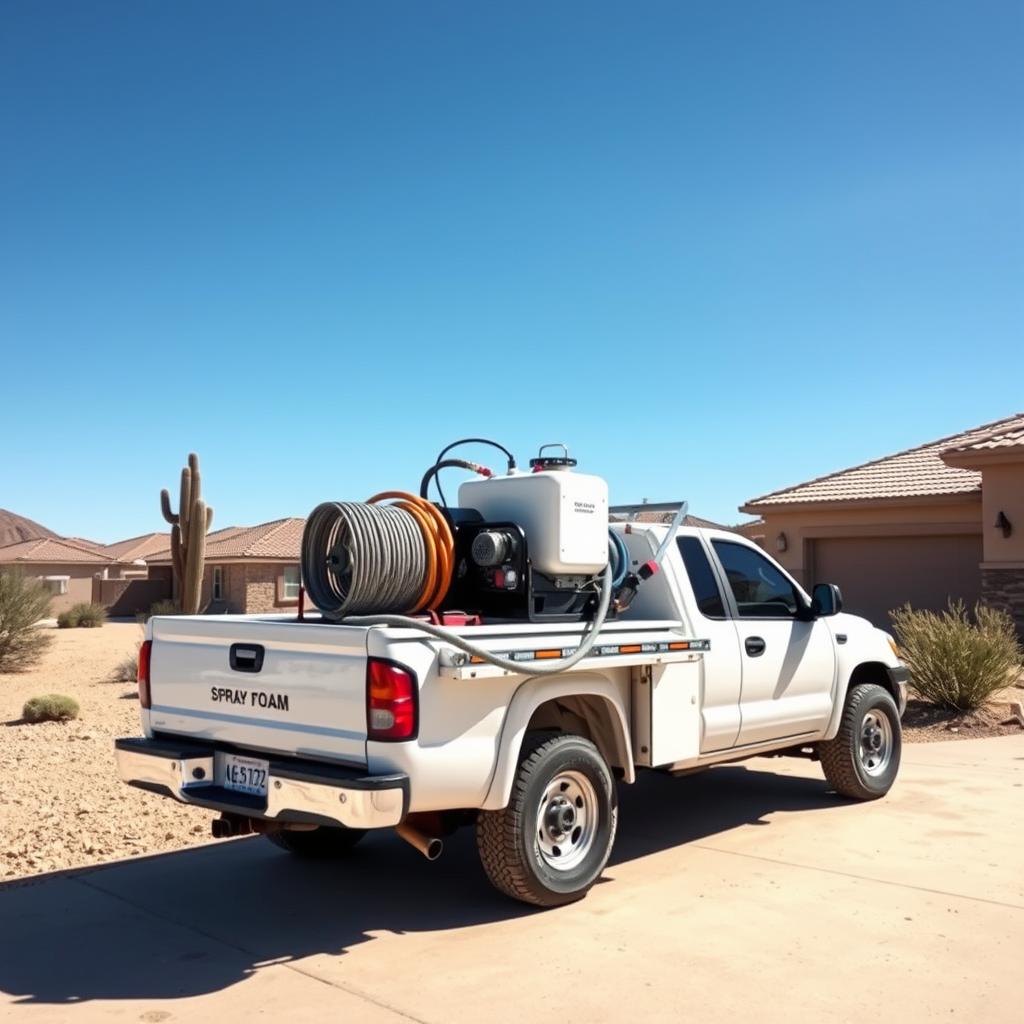
If you have employees, Arizona law requires workers' compensation — that part is straightforward. What's less straightforward is whether your workers' comp policy is actually built for what your spray foam crew does all day. For SPF applicators, the devil is in the class codes and the exposure the policy assumes.
The injuries that actually happen on a spray foam crew
Generic contractor workers' comp assumes a fairly ordinary mix of slips, strains, and minor cuts. A spray polyurethane foam operation is different. The real injury patterns include:
- Chemical sensitization to isocyanates — the A-side of SPF is a recognized sensitizer. Repeated exposure can produce respiratory and skin reactions that surface as occupational illness claims over time, not single incidents.
- Heat illness — crews haul heated hose into 110°+ Arizona attics. Heat exhaustion and heat stroke are serious, OSHA-reportable events, and they're a leading driver of severe claims in desert states.
- Rig and equipment injuries — proportioners, transfer pumps, and high-pressure spray guns cause lacerations, burns, and injection injuries.
- Falls from height — roof-deck and attic work means fall exposure during application.
A policy that doesn't recognize this mix will be mispriced and, worse, may dispute the very claims your crew is most likely to file.
Class codes matter more than you think
Workers' compensation is priced using classification codes that describe the work being done. When an agent who doesn't know the trade writes an SPF crew under a generic "contractor" code, two things go wrong. First, the premium may not reflect the chemical-handling and heat exposure — so a major claim can trigger an audit adjustment later. Second, occupational disease claims like isocyanate sensitization can become a fight over whether the exposure was properly disclosed.
We write spray foam crews under class codes and payroll structures that reflect chemical handling and application work, so the coverage holds up when a claim hits.
Isocyanate exposure claims, explained
Isocyanate sensitization is the exposure most often mishandled. It doesn't look like a typical injury — there's no single accident. A crew member develops respiratory symptoms over months of application work, gets diagnosed, and files an occupational illness claim. Without proper class codes and a carrier that understands SPF, that claim can be denied on a technicality or trigger a non-renewal.
The fix is upstream: write the policy correctly from day one, document the PPE and ventilation practices your crew follows, and work with a carrier experienced with chemical applicators.
Subcontractors are a trap
A lot of small SPF shops run on 1099 subcontractors and assume they don't need workers' comp. In Arizona, that assumption is dangerous. Uninsured subcontractors can be reclassified as your employees for workers' comp purposes after an injury — meaning a serious claim on a "1099" crew member can come back to your policy, or to you personally if you have no policy.
The safe approach: carry workers' comp (or an approved exemption structure) and require certificates of insurance from every subcontractor, with you named as an additional insured.
What good SPF workers' comp looks like
- Class codes that reflect spray foam application and chemical handling
- Payroll structured to match how your crews actually work
- A carrier experienced with chemical applicators and heat exposure
- Support for your experience modification factor and prior loss runs
- Responsive claims handling — because a heat-illness claim is an emergency
If you've had a claim, you can still get covered
A prior heat-illness claim, an OSHA citation, or a loss run doesn't automatically disqualify you. We have access to specialty and excess-and-surplus markets built for harder-to-place contractors. Tell us what happened and we'll find a home for your coverage — and structure it so the next claim is handled, not disputed.
Workers' comp is a legal requirement, but doing it right is what actually protects your crew and your business. For spray foam, that means a policy written for the trade.
Need this coverage for your crew?
Get a real quote in about 15 minutes — we shop A-rated specialty markets.