Why Desert Heat Makes Spray Foam a High-Value Upgrade (and a Bigger Insurance Risk)
By Josh Cotner
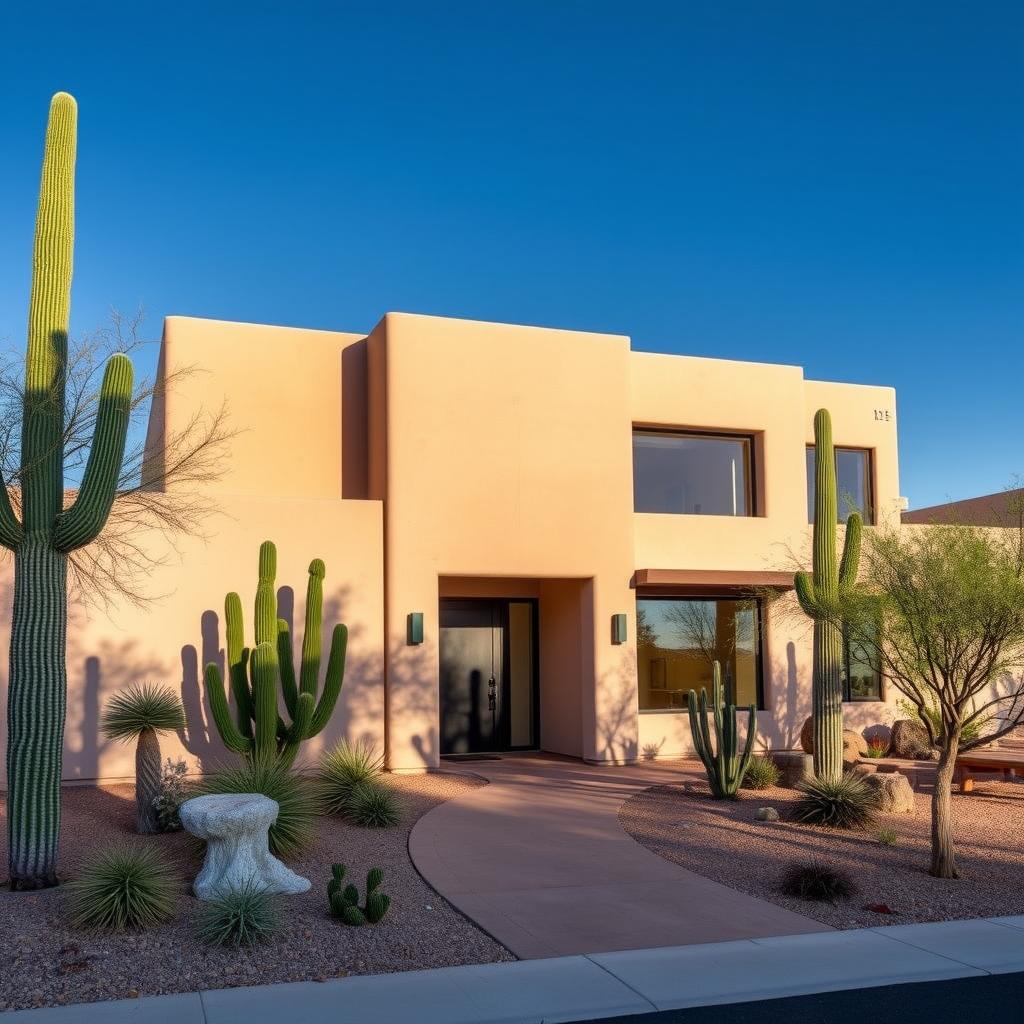
There's a reason demand for spray polyurethane foam has exploded across Tucson, Phoenix, and Southern Arizona: in a desert climate, no other insulation delivers the same combination of energy savings, air sealing, and durability. But the same conditions that make SPF so valuable to homeowners also create the specific insurance exposures every contractor in this market should understand.
Why spray foam pays off so dramatically in the desert
Arizona's cooling loads are brutal. Air conditioning can account for half or more of a household's energy use during the summer, and the temperature differential between a 110° attic and a 78° living space is enormous. Spray foam — particularly closed-cell — addresses that differential directly:
- An unvented attic assembly with closed-cell foam applied to the roof deck brings the attic inside the conditioned envelope, dropping attic temperatures from 140°+ toward ambient.
- Air sealing reduces the infiltration of hot, dusty desert air that fiberglass and cellulose do little to stop.
- Moisture management matters in monsoon season, when humidity spikes and condensation risk rises inside walls and roofs.
For homeowners, that translates into lower cooling bills, more even temperatures, less dust, and a HVAC system that doesn't run constantly. For contractors, it means strong demand and premium work.
The other side of the coin: tighter homes, bigger exposures
The properties that make SPF valuable are the same properties that create risk — and therefore insurance exposure:
- Tighter envelopes trap anything that off-gasses. A home sealed aggressively for efficiency gives off-gassing and odor fewer paths to dissipate. That elevates the importance of contractors pollution liability, because an indoor air quality complaint has nowhere to go.
- Heat illness during application. Crews installing roof-deck foam work in the hottest part of the structure during the hottest months. Heat-illness workers' comp claims are a real and serious cost driver in this market.
- Monsoon water intrusion. July and August bring driving rain and humidity. Completed-operations and builder's risk coverage must account for monsoon-driven water claims during and after installation.
In other words, the desert makes spray foam more valuable and more consequential to insure correctly.
What this means for your coverage program
If you're insulating homes in this climate, a few coverage decisions matter disproportionately:
- Carry contractors pollution liability. Tight, sealed homes mean off-gassing claims are more likely to be noticed and pursued. CPL is the line that responds; your GL likely won't.
- Write workers' comp for heat exposure. Make sure your class codes and carrier reflect application work in extreme heat — and enforce hydration, scheduling, and PPE practices that reduce claims.
- Value your equipment correctly. Closed-cell work requires proportioners, heated hose, and generators running hard in the heat. Schedule that equipment at replacement cost on an inland marine policy, because heat and dust shorten its life.
The opportunity is real — insure it correctly
The desert market rewards spray foam contractors with high demand and strong margins. The contractors who keep those margins are the ones whose insurance programs are built for how SPF actually performs here — not a generic contractor policy that falls apart on the first off-gassing or heat-illness claim.
That's the whole premise behind Tucson Foam Insurance. We know the desert, we know the trade, and we write the coverage that lets you capture the opportunity without carrying the risk yourself.
Need this coverage for your crew?
Get a real quote in about 15 minutes — we shop A-rated specialty markets.