How Much Can Spray Foam Insulation Slash Your Arizona Cooling Bills?
By Josh Cotner
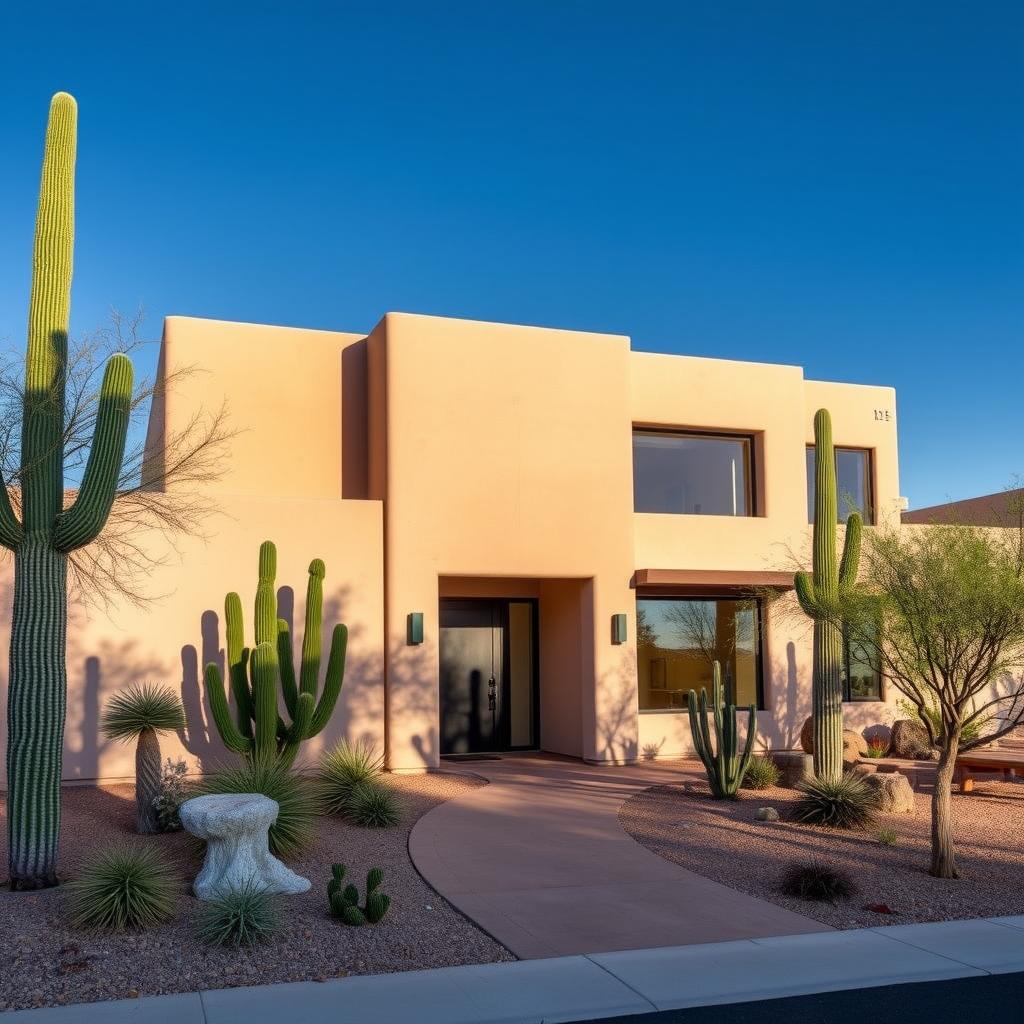
There's a reason spray foam has exploded across Tucson and Southern Arizona: in a desert climate, no other insulation delivers the same combination of energy savings, air sealing, and durability. But "saves you money" is vague. Let's get specific about why foam cuts Arizona cooling bills so dramatically — and what kind of savings are realistic.
The problem: Arizona's cooling loads are off the charts
Air conditioning can account for half or more of a household's total energy use during an Arizona summer. The temperature differential between a 110° attic and a 78° living space is enormous, and traditional insulation does a poor job of stopping the heat and air that leak across it.
Fiberglass and cellulose insulate primarily by trapping air in pockets — and those pockets settle, sag, and let hot desert air filter right through. They also do almost nothing to stop air leakage, which is where much of your cooling actually escapes.
Why spray foam is different
Spray polyurethane foam works on two fronts fiberglass ignores:
- It's a true air barrier. Foam expands and seals every crack, gap, and penetration. It stops the hot, dusty desert air from infiltrating in the first place rather than slowing it down once it's already coming through.
- It delivers high R-value that doesn't degrade. Closed-cell foam hits roughly R-6.5 per inch and holds that performance for the life of the building — it doesn't settle or absorb moisture.
The single biggest win: conditioning the attic
For most Arizona homes, the highest-impact upgrade is spraying foam to the underside of the roof deck — turning a vented, 140°+ attic into part of your home's conditioned envelope.
Why that matters so much:
- A vented attic in a Tucson summer can exceed 140°F, and your AC ductwork often runs right through that oven.
- By insulating the roof deck, the attic temperature drops toward ambient and your ductwork and air handler stop bleeding cooling into a superheated space.
- The AC runs less often, cycles more efficiently, and lasts longer because it isn't fighting a losing battle.
Homeowners who bring the attic inside the conditioned envelope routinely see the most dramatic bill reductions. Learn how we do it: Attic & Roof-Deck Insulation.
Realistic savings: 30–50% is common
Every home is different, but 30% to 50% reductions in heating and cooling costs are a realistic expectation for properly insulated Arizona homes — with the largest gains coming from attic and roof-deck work. Your exact savings depend on your home's size, how it's currently insulated, your thermostat habits, and the efficiency of your AC equipment.
We won't promise a number we can't stand behind. During a free walkthrough we look at your actual setup and give you a realistic, home-specific estimate of the savings you can expect — not a generic marketing claim.
It's not just about money
The same air sealing that lowers bills also:
- Keeps out dust and allergens — a big deal when desert dust coats everything.
- Reduces outside noise — foam is an excellent sound dampener.
- Stabilizes temperatures — no more sweltering second-story bedrooms.
- Helps manage monsoon humidity — closed-cell foam acts as a vapor barrier against July and August moisture.
The bottom line
Spray foam costs more up front than traditional insulation — there's no pretending otherwise. But in the Arizona desert, it pays for itself in a few summers of lower bills, then keeps saving for decades while your neighbors are still paying to re-insulate with materials that settle and fail.
Curious what foam would do for your bills? Get a free estimate and we'll walk your home and tell you, honestly, what you can expect to save.
Ready to put this to work in your home?
Get a free, no-obligation estimate — usually scheduled the same week.